
PSAT scores are out. Here’s what they really mean
- Posted by admin
- on
- in College Pete
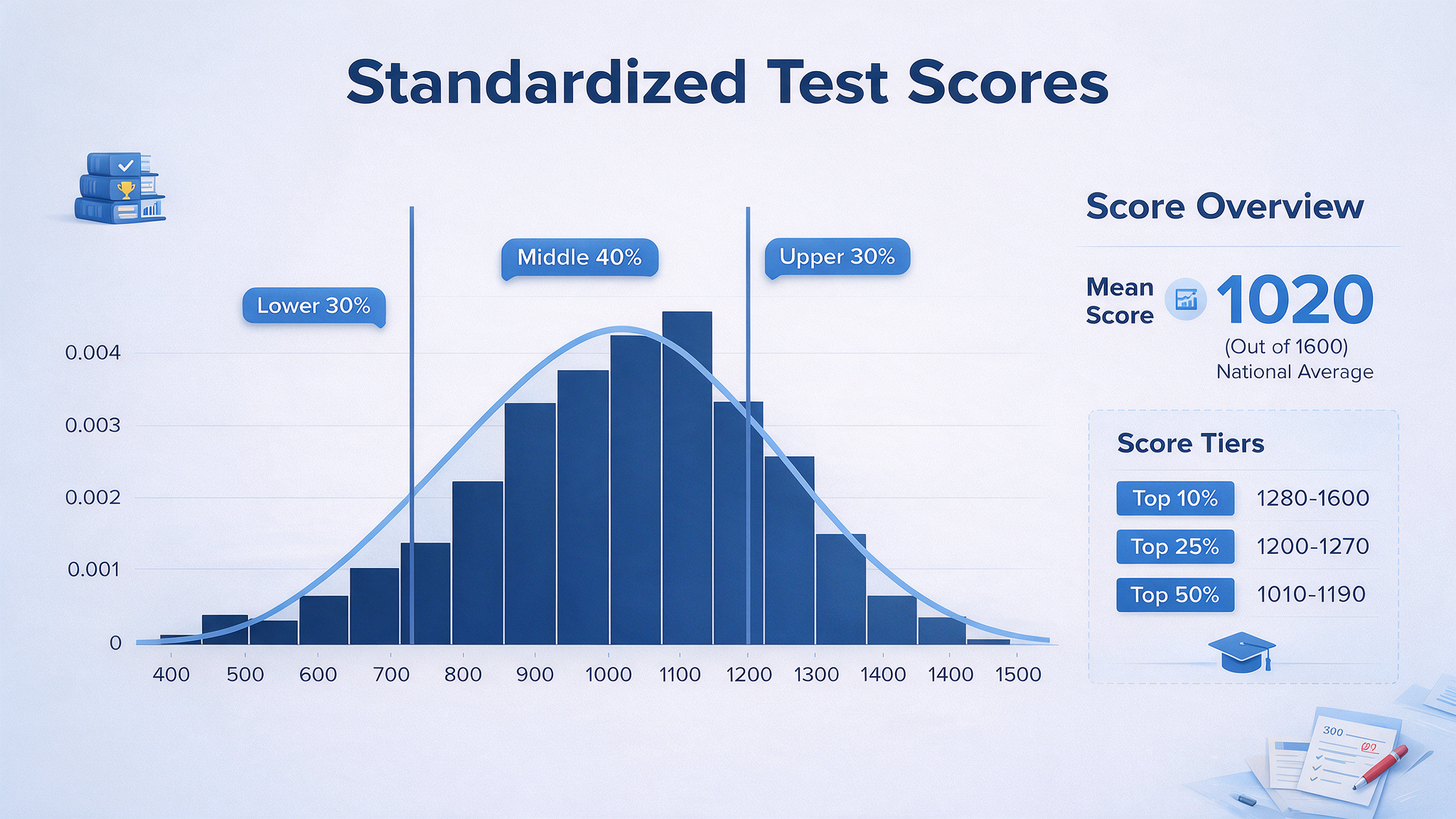
If you have a 10th or 11th grader who took the PSAT earlier this month, you may have noticed that scores have started appearing in students’ College Board accounts.
And I’m willing to bet the first question around your kitchen table was something like:
Is that a good score?
Followed closely by:
Should we be worried? Does this mean my child won’t get into the colleges they’re considering? Do we need to hire a tutor?
Before you do anything, I want to put those numbers into perspective.
First, your child’s PSAT score is NOT a college admissions decision.
In fact, colleges do not use PSAT scores to make their regular admissions decisions at all. Period. Full stop.
Now there is one important exception worth understanding: For 11th graders, the PSAT/NMSQT is also the qualifying test for the National Merit Scholarship Program. That can mean something, especially in Florida (my home state) where National Merit Finalists earn a full ride at state universities through the Benacquisto Scholarship Program.
But for the overwhelming majority of students, the PSAT is exactly what its name suggests.
It’s a practice test. And a potentially very useful one.
So what do those numbers actually tell you?
When you open your child’s score report, there are a few things worth paying attention to.
1. The total score. This ranges from 320 to 1520, combining Reading and Writing with Math. It’s an early indicator of current performance, not a prediction of your child’s college admissions prospects.
2. The percentile. This tells you how your child’s performance compares with other students in a reference group. Make sure you’re looking at the correct percentile, because College Board reports more than one comparison group.
3. The knowledge and skills breakdown. This is where the report becomes genuinely useful. Rather than obsessing over the total score, look at the areas where your child is doing well and where some focused preparation could make a difference.
4. The National Merit Selection Index. For 11th graders who took the PSAT/NMSQT, this number ranges from 48 to 228. It’s used to determine eligibility for National Merit recognition. Qualifying cutoffs vary by state and year, and you won’t know the final Semifinalist cutoff from this report alone. For the Class of 2027 the cutoff index in Florida was 216; for the prior year it was 219. So, don’t make any assumptions just yet.
Now, here’s what I really want you to understand.
A 1050 today doesn’t mean your child is destined for a 1050 on the SAT.
And a 1400 doesn’t mean they’re finished preparing. Students mature. They learn more math. They develop stronger reading skills (hopefully). And with appropriate preparation, many improve their scores considerably.
But improvement isn’t automatic, and that’s why the report should be used as a diagnostic tool rather than a verdict.
So what should you do now?
If your child is in 10th grade, use this as an opportunity to identify strengths, weaknesses and a reasonable testing timeline. There is usually no need to turn one practice test into a family emergency.
If your child is in 11th grade, it’s time to get more intentional.
When should they take the SAT or ACT? Which test is likely to be the better fit? How much preparation is warranted? And which colleges on their developing list actually require scores?
Because here’s something that has changed considerably in recent years:
The test-optional landscape is no longer one-size-fits-all.
Some colleges require standardized tests. Others remain test-optional or test-free. And some scholarships have their own testing requirements.
Your testing strategy should reflect the schools you’re considering, your child’s academic profile, and the opportunities you’re trying to create.
Not what the neighbor’s kid scored. Not what somebody humblebrag posted in a Facebook group. And certainly not what an anxious teenager heard in the school hallway this morning.
One more thing.
Don’t be surprised if college marketing starts finding its way into your inbox, assuming your student has opted into college outreach.
Those beautiful brochures and emails are marketing, not recruiting.
Build your college list around academic fit, admissions prospects and what your family can reasonably afford. Not who has the prettiest brochure.
After 20 years of helping families navigate this process, I can tell you that the biggest advantage rarely comes from knowing more than everybody else. It comes from knowing which information matters, what to do with it, and when to act.
Have questions about your child’s PSAT results or what they mean for your college planning strategy?
Just reply to this email with your phone number, your student’s grade and what’s on your mind.
One of the college counselors on my team will give you a call, help you sort through the noise, and talk through what makes sense for your family.
No need to figure all of this out on your own.