Start the New Year Strong: A Smart College Planning Reset for 10th & 11th Graders
- Posted by admin
- on
- in College Pete

A new year always brings a fresh sense of possibility. New calendars. New routines. New resolve.
For families with students in 10th or 11th grade, this is also a quietly powerful moment in the college planning process. Not because decisions are imminent (they’re not), but because the habits, strategies, and choices you make now will compound over the next 12–24 months.
Strong outcomes in college admissions and financial aid are rarely about last-minute heroics. They are about early, intentional planning. If you’re a 10th or 11th grade family, there are five priorities that you should focus on in the months ahead. Starting on them now can lead to better college options, more confidence and significantly lower costs later.
All 10th and 11th Graders should:
1. Build a Purposeful Summer Plan
Summer is not just a break—it’s a strategic opportunity. Colleges use summer activities to understand how students explore interests outside the classroom. A strong summer plan doesn’t mean piling on random programs; it means choosing experiences that show growth, curiosity, or initiative.
This could include a paying job, an internship, research opportunity, academic program, volunteering, or a focused personal project. What matters most is alignment: How does the experience connect to your interests or future goals? Starting early gives you time to research options, apply to selective programs, and avoid last-minute decisions that don’t add value.
2. Create a Clear SAT/ACT Strategy
Standardized testing still plays a role in many admissions decisions—and scholarships—even in a test-optional landscape. The key to maximizing your opportunities is having an informed test strategy rather than an ‘accidental’ one.
You’ll want to identify now whether you’ll take the SAT, ACT, or both (there are evaluative tools and data to help you do so). Then, set a timeline that allows for preparation, testing, and possible retakes without interfering with schoolwork. For most students, the best testing window begins after the student has completed Algebra 2, usually the spring of junior year, with fall of senior year as a backup.
Preparation doesn’t have to be overwhelming, but it does need to be consistent. Whether you use self-study tools, a prep course, or tutoring, the goal is steady improvement—not cramming.
3. Choose Next Year’s Classes Thoughtfully
Course selection is one of the most important—and misunderstood—parts of the college process. Colleges want to see rigor, but they also care about performance. The strongest schedule is one that challenges you while still allowing you to succeed.
When registering for next year, ask yourself: Does this schedule reflect academic ambition? Does it align with my strengths? Will I be able to manage the workload while staying involved outside the classroom?
A balanced approach almost always beats an overloaded one. Strong grades in challenging courses are more compelling than struggling through classes taken only for their perceived prestige.
4. Start Planning College Visits
Visiting colleges helps turn abstract ideas into informed decisions. Even if you’re not ready to build a final college list, exposure matters.
Begin by identifying a few different types of schools—large and small, public and private, close to home and farther away. If travel isn’t possible, take advantage of virtual tours and information sessions.
Early visits help you recognize what you value in a campus environment and save time later when decisions become more urgent.
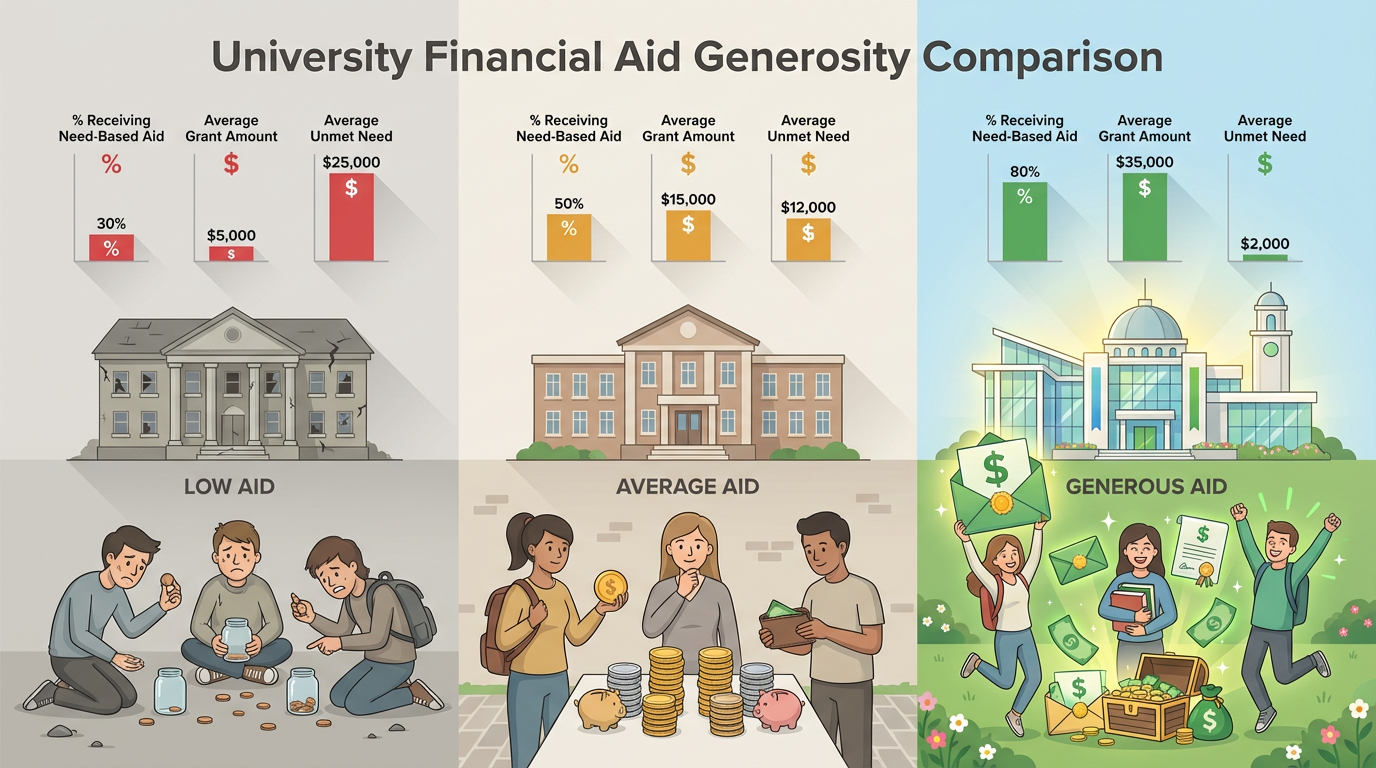
5. Learn the Scholarship and Financial Aid Rules Early
One of the biggest mistakes families make is waiting too long to think about institutional scholarships and financial aid. Aid eligibility and scholarship opportunities are shaped by decisions made years before applications are submitted.
Understanding how need-based aid works, how merit scholarships are awarded, and how colleges evaluate affordability allows families to plan proactively—not reactively. Early awareness can influence college choices, testing strategies, and even summer plans.
The earlier you learn the rules, the more options you create.
Bottom line is this: A Strong Start Is About Strategy, Not Stress
Getting the new year off to a great start doesn’t require doing everything at once. It requires focusing on the right things, at the right time, with a clear plan.
We suggest that you start early and stay organized…and do everything you can (see above) to make this year count. We know, empirically and anecdotally, that getting the right guidance and creating the right structure can make all the difference.
When you have clarity, you minimize anxiety. And when you have a plan, there is no panic. If you’d like help turning these priorities into your own personalized college plan, simply reach out to us and let’s start the conversation.
Happy New Year!