Deferred in December… Admitted in March? YES, It Happens More Than you may think
- Posted by admin
- on
- in College Pete

We are now in the throes of the December admission season, when colleges respond to students who applied Early Decision or Early Action back in October or early November. For 12th grade students (and the parents who love them), it’s both an exciting and extremely stressful period.
Over the last five years at Your College Concierge we’ve been quietly cataloging what’s happening in this early round.
And one trend is unmistakable:
Deferrals are on the rise.
Why is that?
A few key reasons:
- Sheer numbers.
Early application volume has exploded. At many schools, there are simply too many early applications to give every strong student a clear “yes” or “no” in December. Deferral becomes the holding pen. - The “yield test.”
With so many similarly qualified applicants, colleges are trying to figure out: Who will actually come if we admit them? A deferral gives them more time to see:
- Who follows up
- Who sends meaningful updates
- Who acts like they truly want to enroll
- Risk management.
Colleges are managing institutional goals: class size, majors, financial aid budget, diversity, test-optional vs. tested applicants. A deferral gives them time to see the whole pool before they commit.
So if you or your student has been deferred, you are NOT alone – and there is something you really need to know:
A deferral is not a soft no, a hint, or a polite brush-off. It is exactly what it says it is — a request for more time to evaluate your application in the context of the entire applicant pool.
Every December and January, my inbox fills with versions of the same question:
“Peter, my daughter was deferred from her top-choice school. Is there anything we can do now to improve our chances?”
The answer: ABSOLUTELY.
A deferral means the admissions office sees something in you — enough promise, enough potential fit, enough academic strength — to keep you under consideration. It’s a pause, not a verdict. We’ve seen countless students who move from deferred to admitted. You can too… Below are the steps you should take to do so.
Step 1: It’s ok to Feel the Disappointment… But Then Get Back to Work
First, I want to acknowledge the emotional side. Your student has worked hard for three years of high school, poured hours into applications, and dared to hope for good news in December. A deferral hurts. It’s okay to feel frustrated, angry, or let down. Give it 24–48 hours. Vent a little. Talk. Go for a walk.
Then: shift into action mode. Because unlike a denial, a deferral is workable. You are being given a second chance to present your strongest self.
Step 2: Submit a Meaningful Update/Continued Interest Letter
Most colleges welcome — and expect — an update after deferral.
But this is not the moment to gush about how the university is your “dream school” or “perfect fit.” They already know you like them; you applied early.
What they need to know is what has changed — concretely — since you applied:
- New grades (especially strong fall semester performance)
- New test scores
- Awards, distinctions, leadership roles
- A noteworthy project, research update, or community contribution
- Any new responsibilities at work, home, or in activities
In other words: show momentum. Show growth. Show that the version of you applying in January is stronger than the version they saw in October.
Keep the tone confident, not desperate. Admissions officers respond to students who sound engaged and rising — not panicked.
Step 3: Send Updated Transcripts ASAP
For many schools, first-semester grades are the single most important new data point after a deferral. Strong academic performance can reframe your entire application. I once had a student whose fall grades moved from a mix of A’s and B’s to straight A’s. The college later told us that this surge made all the difference — it tipped her from “borderline” to “admit.”
If your grades have improved, get that transcript sent immediately.
If they haven’t? Don’t hide it. Colleges care more about trends and effort than perfection. If there’s a dip, sometimes a brief explanation (health issue, family circumstance, etc.) can provide helpful context.
Step 4: Strengthen Your Application Strategically
This is not the time to reinvent your entire résumé. But it is the time to make sure your profile reflects commitment and follow-through:
- Continue the activities you listed — don’t drop clubs or leadership roles.
- If you’re pursuing a major in STEM, keep engaging with STEM work.
- If you’re applying for business, look for ways to demonstrate initiative or entrepreneurship.
- If performing arts or athletics are central to your story, stay active and, when appropriate, share relevant updates.
Admissions officers can tell when a student “coasts” during senior year.
A deferral is the opposite of permission to relax… it’s permission to reassert your trajectory.
Step 5: Demonstrate Continued Interest (When Allowed)
Some schools track interest; others say they don’t. But almost every school appreciates a student who stays engaged appropriately.
That could look like:
- Attending a virtual or in-person info session
- Emailing your regional admissions rep with a brief, professional update
- Engaging with department-specific opportunities (major-related events, webinars, etc.)
- Logging into your portal and completing any requested forms or updates promptly
Do NOT bombard admissions. Thoughtful touches beat weekly check-ins.
Remember: the question they are quietly asking is, “If we admit this student, how likely are they to enroll?” Your actions can help answer that.
Step 6: Widen — Not Abandon — Your College List
I tell families this every year: college is a match to be made, not a prize to be won. A deferral is a reminder to revisit the broader list and ensure you have multiple affordable, great-fit options. Your top choice may still say yes. We’ve watched that happen over and over at places like UVA, FSU, Michigan, Miami, Northeastern, and many others. But it shouldn’t be the only school that can give you joy…or a financially sane path forward.
Take this moment to:
- Double-check your list for balance (likely, target, reach schools)
- Confirm financial fit, not just emotional fit
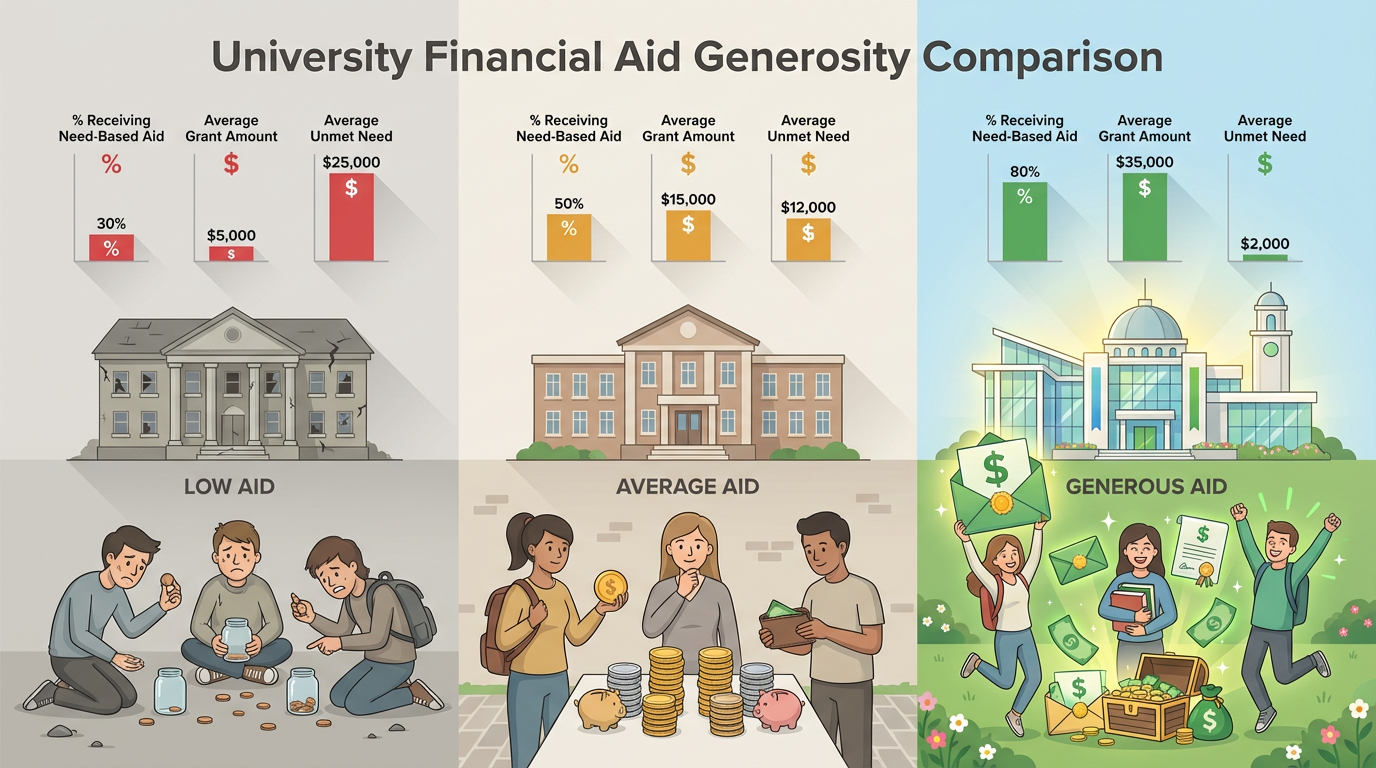
- Look again at schools that might offer generous aid or scholarship
There are always options — and thoughtful, informed strategies to improve those options.
While you can’t control every decision an admissions office makes, you absolutely can control how you respond to a deferral — and that response can make all the difference between staying in limbo and opening an admit letter in the spring.
Please feel free to share this post with a friend, colleague or relative who may benefit from our recommendations.